
What the Rejected Poem Means and Doesn’t Mean
by Dwaine Rieves
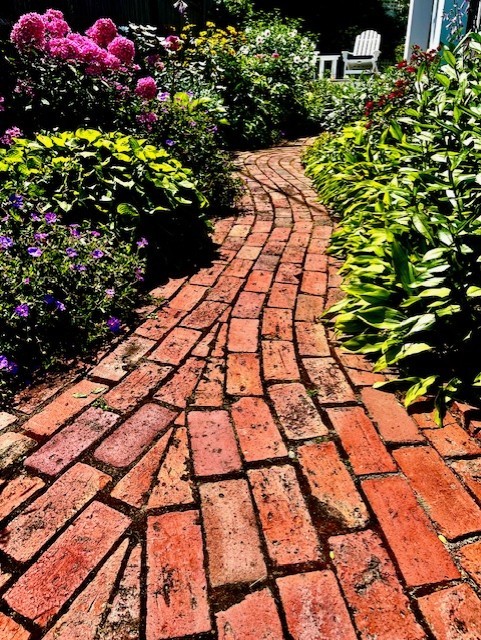
In screening poetry submissions to the Baltimore Review, I often feel as though I am walking along a path lined with carefully curated plants. I know each plant is truly a poem, the poem pulling words from the earth and displaying them in a way that occasionally makes me pause. This pause is my choice, for the poem has touched me in a way that makes me feel a new part of myself. I call these the “chosen” poems, for I chose to pause and reexamine the mysterious power within these plants. This power typically arises from a surprise or a time-stopping insight. Sometimes, I can only describe this power as beauty. The “chosen” poem is a rarity. Far more often, I need to keep walking among the “unchosen” poems.
I know many people label my “unchosen” poems as “rejected” poems. The word “rejection” strikes me as a weed in the garden of poetry—“rejection” does not mean the same thing as “unchosen.” I am touched by every “unchosen” poem. In this fleeting connection, I feel the bittersweet touch of a friend who knows I must keep walking onward, despite a passing touch. I do not reject this touch. I savor its brief visit. In the brevity, I often sense the poem growing and by walking onward, I like to think I am giving this creation the time to grow into what it is meant to be. The touch can also suggest how the poem is largely awaiting another reader, this person who will choose to pause. In short, why a screening reader will pause and spend time with a poem may depend far more on the reader than the poem.
The internet is loaded with advice on how writers should handle “rejection.” From my experience in the garden of poetry, I offer the following ideas on what a caretaker of an “unchosen” poem might wish to consider:
1) Work around it. The poem may need words or lines pruned or reshaped or transplanted into soil that makes the creation blossom with the magic that demands a reader’s pause. Time and tenacity are key ingredients in my work around suggestion.
2) Look around it. Explore submission opportunities at other literary journals and magazines that may well have readers eager to pause and spend time with this unique poetic creation.
3) Keep it around. Archive every poem for future use in grafting, in fertilizing, and in stimulating the growth of many more poems. And hopefully further flourishing of this original poem. The “unchosen” are the creations that largely keep our world growing.
I hope I have not strained your tolerance of metaphor. Of course, I will never know. Which is why I keep reminding myself that not knowing what the word “rejection” always means is the most liberating way to grow.